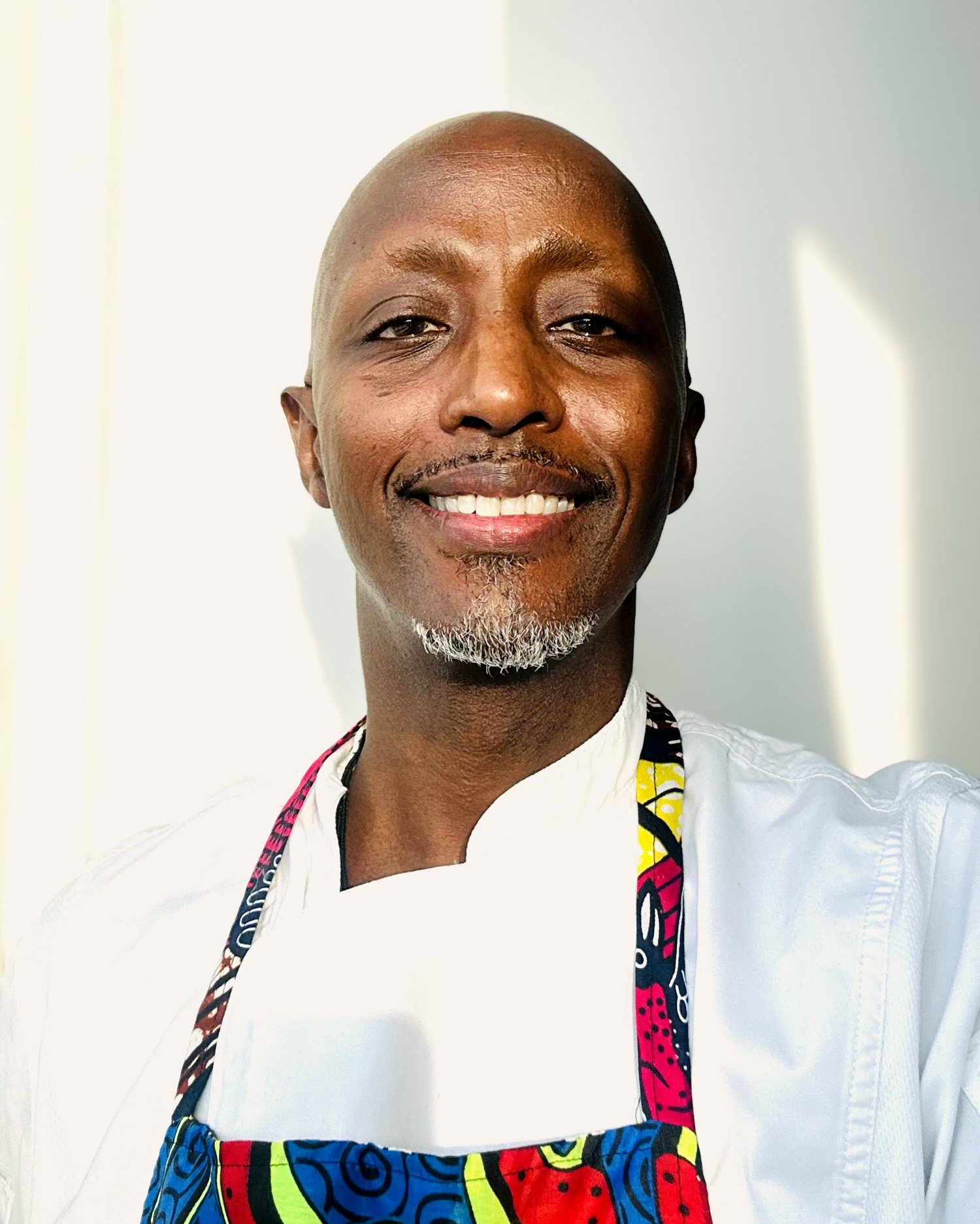
Bashir Munye

CHEF · AGRI-CULINARY EDUCATOR · RESEARCHER — TORONTO

What do we
carry forward?

I explore the knowledge carried through food - and ask what is worth carrying into the future.

Through dinners, research, education and food-system strategy, I turn questions about culture, ecology and the future into experiences people can taste, discuss and build from.

SELECTED WORK

The work begins as a question.

A record of questions I've cooked, researched and gathered around. Each one travels until it becomes something people can taste, use, discuss or build on.

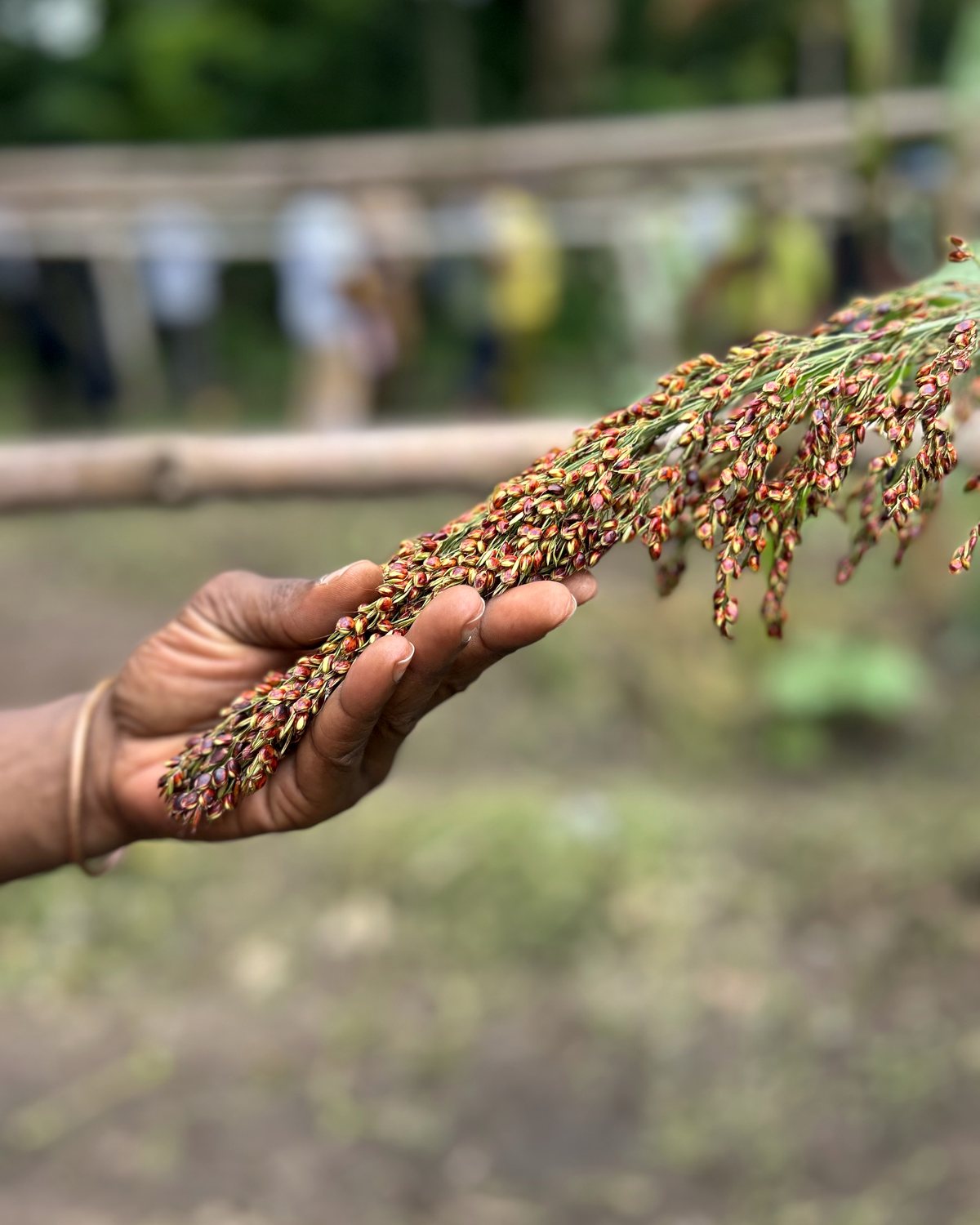
CASSAVA · GHANA · RESEARCH

What is loss?

I am researching how farmers and communities experience physical, economic, ecological, social and cultural loss across cassava systems - while centring community knowledge, food sovereignty and farmer agency.

Next question: When a crop disappears, what leaves with it?
TORONTO · GATHERING

Can a dinner carry a story?

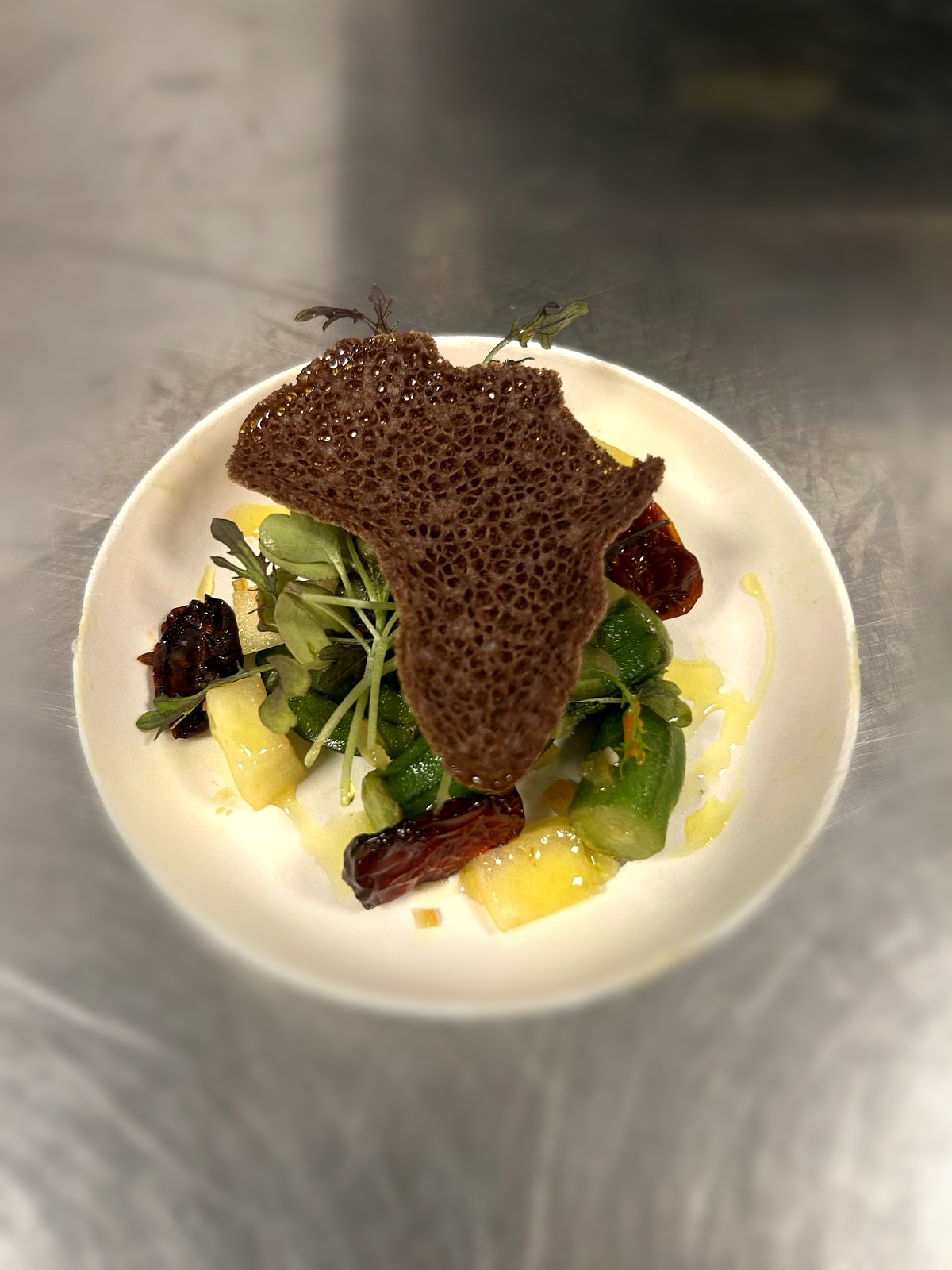
I use food and gathering to explore migration, memory, identity and belonging - designing meals so the story becomes something people taste and sit inside, not only something they are told.

Next question: What does a table remember?
PASTORAL INQUIRY · ONGOING

What do we carry forward?

I am following an ongoing inquiry into movement, food, memory and ecological knowledge - and what pastoral ways of knowing might offer future generations facing change and displacement.

Next question: What did mobility teach us about abundance?
THE EVIDENCE LAYER

In each full case study, I want to show the context, my role, who was at the table, what we made, what changed, and the next question. I only add outcomes and collaborator details once they are confirmed.

WHERE THE QUESTION BEGINS

For people who move, you cannot carry everything.

I come from a Somali pastoral nomadic heritage. What travels has to matter.

Food knowledge travels. Stories travel. Techniques travel. Memory travels. Ways of reading land, animals, seasons and one another travel.

I was born in Somalia, raised in Italy and have called Toronto home for more than two decades. Growing up around the Mediterranean, fresh seasonal food was normal; at the same time, I often felt the distance from African foods and crops that carried another part of my story.

I'm not interested in romanticizing the past. Old does not automatically mean better. Modern does not automatically mean progress. I'm interested in the harder work of discernment.

What is worth carrying forward?

HOW THE WORK MOVES

From question to table.

01

Ask

I begin with a question worth the journey.

02

Listen

I listen to people, practice, place and the land.

03

Research

I bring lived knowledge into conversation with history and evidence.

04

Reframe

I let what I learn change the original question.

05

Make

I cook, design, prototype and test.

06

Gather

I bring different forms of expertise together.

07

Carry forward

I ask what the learning might become next.

THE CHANGE PATHKnowledge → Experience → Relationship → Capacity → Possibility

When I take knowledge seriously, research it with care and translate it into experiences people can use, I want the work to change what communities and institutions are able to see, decide and imagine.

THE FRAMEWORK

Afro-Culinary Futurism.

African food is often discussed through heritage - what ancestors ate, what should be preserved, what may be lost. Those questions matter. I am interested in another one too: what could African food knowledge become?

ANCESTRAL KNOWLEDGE×CONTEMPORARY EVIDENCE×CULINARY IMAGINATION×TECHNOLOGY×COMMUNITY=FUTURE POSSIBILITY

TASTE THE FUTURE

What does the future taste like?

Pick a starting point. Each is a question I'd cook - a dish as a way of thinking, not a recipe.

STARTING POINT 01

A pod that refuses to be simplified

Okra - bamye - can be approached as food, migration story, ecological material and a starting point for imagining a hotter, drier future.

What changes when an ingredient is treated as knowledge, not only commodity?

THE TABLE

Everyone brings something to the table.

THE QUESTIONNo single person owns the whole answer.
CommunityRelationship · accountability · belonging

My role is often to set the table - to convene, translate and make space for different kinds of expertise to shape the work.

FOR INSTITUTIONS & FUNDERS

What support makes possible.

Some questions require more than a dinner or a report. When I take on deeper inquiry, I need time in the field, relationships built slowly, different forms of expertise at one table, room to experiment, and ways of returning what I learn to the people who made the learning possible.

01

Field inquiry

I research with communities, food systems and landscapes.

02

Culinary research

I use ingredients and techniques to ask future-facing questions through practice.

03

Public knowledge

I translate learning into curriculum, exhibitions, dinners, publications and public experiences.

04

Knowledge infrastructure

I am building longer-term ways to document, teach and activate African food knowledge.

COMMISSION A PROJECT

Bring me your institution's question.

I can shape research, a dinner, a public program, curriculum, facilitation or strategy around a defined institutional need.

Bring the question →
SUPPORT AN INQUIRY

Give the question room to grow.

Support can create room for fieldwork, public scholarship, culinary R&D and the development of long-term knowledge infrastructure.

Support an inquiry →

HOW I WORK WITH KNOWLEDGE

Research with,
not on.

01

I listen before deciding

I do not preselect the answer simply because an institution already has resources, language or a preferred solution.

02

I make power visible

I ask who defines expertise, who gets heard, who benefits, and what should remain under community control.

03

I return the learning

I do not want knowledge to disappear into a report. I want findings to travel back in forms people can access, question and use.

04

I credit the people who carry it

Consent, attribution and stewardship matter to me when lived knowledge becomes research, curriculum, story or public program.

AN EMERGING INSTITUTION

The African Food Studies Centre.

Food is not only something we eat. It is a way of knowing.

I am developing the African Food Studies Centre (AFSC) as an interdisciplinary home for African food studies — a place where community knowledge, African epistemologies, field research, scholarship and contemporary questions can meet.

The knowledge already exists. What becomes possible when it has an institution?
Bashir Munye

ABOUT

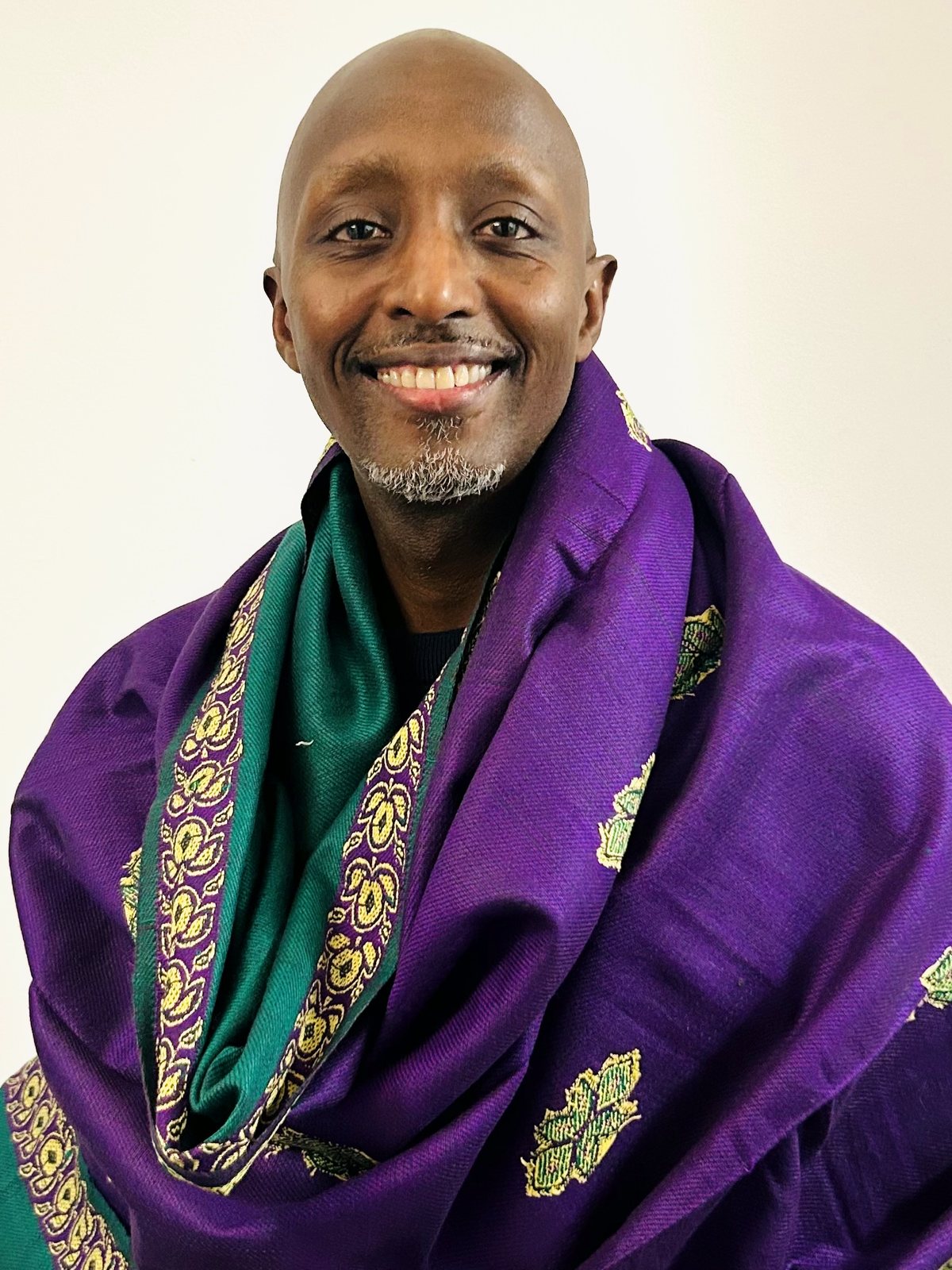
I'm Bashir.

I'm a chef by practice, an agri-culinary educator by vocation and a researcher by curiosity. My work moves between the kitchen, the farm, the classroom, policy spaces and the table.

I was born in Somalia, raised in Italy and have made Toronto home for more than two decades. Growing up around the Mediterranean taught me to value freshness and seasonality, while my later reconnection with African foodways changed how I understood culture, belonging and what culturally appropriate food access can mean.

I bring an Afrocentric lens to culinary education and food-system work. I believe food is a fundamental human right, and I use cooking, research and public conversation to connect culture, ecology, justice and possibility.

I don't believe everything old should be preserved. I don't believe everything new represents progress. I'm interested in the space between them.

WHERE MY WORK MEETSKitchenFarmCommunityEducationResearchPolicy

WHERE THE PRACTICE HAS TRAVELLED

From farm to classroom to public conversation.

I have spent years moving between production, education, research and public culture. These are a few places where that practice has taken form.

BLACK CREEK COMMUNITY FARM · TORONTO

Farm + value-added food systems

As Value-Added Coordinator, I used farm-grown produce to develop preserves, pickles, sauces and other products while working toward a financially sustainable value-added model.

HARRIET TUBMAN INSTITUTE · YORK UNIVERSITY

Research + diaspora knowledge

As an Associate Fellow, I bring food, culture, diaspora and research into the same conversation.

BLACK SUSTAINABILITY SUMMIT · GHANA

Food sovereignty + public conversation

I have spoken about food sovereignty, Pan-African cuisine and anti-colonial food systems in an international sustainability context.

CHITKARA UNIVERSITY · INDIA

Culinary education + learning intervention

I spent a month working with Bachelor of Culinary Management students through an extended culinary learning intervention.

WHERE INSTITUTIONS ENTER

Different doors.
The same table.

I work differently depending on the question, but I bring the same practice of listening, research, culinary imagination and community accountability into each room.

UNIVERSITIES

Research · curriculum · lectures · participatory inquiry

MUSEUMS & CULTURAL INSTITUTIONS

Exhibitions · public programs · food-led interpretation

FOUNDATIONS & FUNDERS

Field research · pilot programs · public knowledge · knowledge infrastructure

FOOD-SYSTEM ORGANIZATIONS

Strategy · research · community engagement · program design

COLLABORATE

Bring me a question.

If you're not sure where your idea belongs, start by telling me what you are trying to understand.

EXPERIENCE

I create dinners, culinary experiences, exhibitions and public programs.

THINK

I speak, teach, facilitate and design conversations that move ideas forward.

INVESTIGATE

I lead research, strategy, community inquiry and institutional collaboration.

Start a conversation →info@bashirmunye.com